
ANIKA’s 2020 TOP 10
Anika’s ten favorite reads from 2020 (not necessarily published in 2020) in alphabetical order by author.
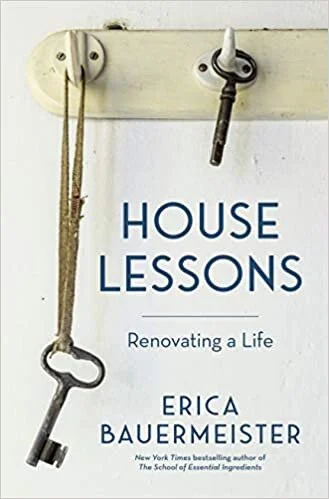
House Lessons: Renovating a Life
by Erica Bauermeister
Erica Bauermeister's memoir-in-essays is a treasure for anyone who, like me, can't resist the intrigue of an open-house sign. House Lessons beckons you inside a trash-filled hoarder house in Port Townsend, where a family is determined to transform it into a beautiful, memory-filled home. The project proves to be an undertaking that is easier dreamt than done, and Bauermeister is transparent about the frustrations inherent in the process. This book is in part an education in architecture, informative as well as interesting, and its structure is strong enough to hold this story, with its cast of eccentric real-life characters and stranger-than-fiction moments. Told with loving language and such respect, this was a most enjoyable read.
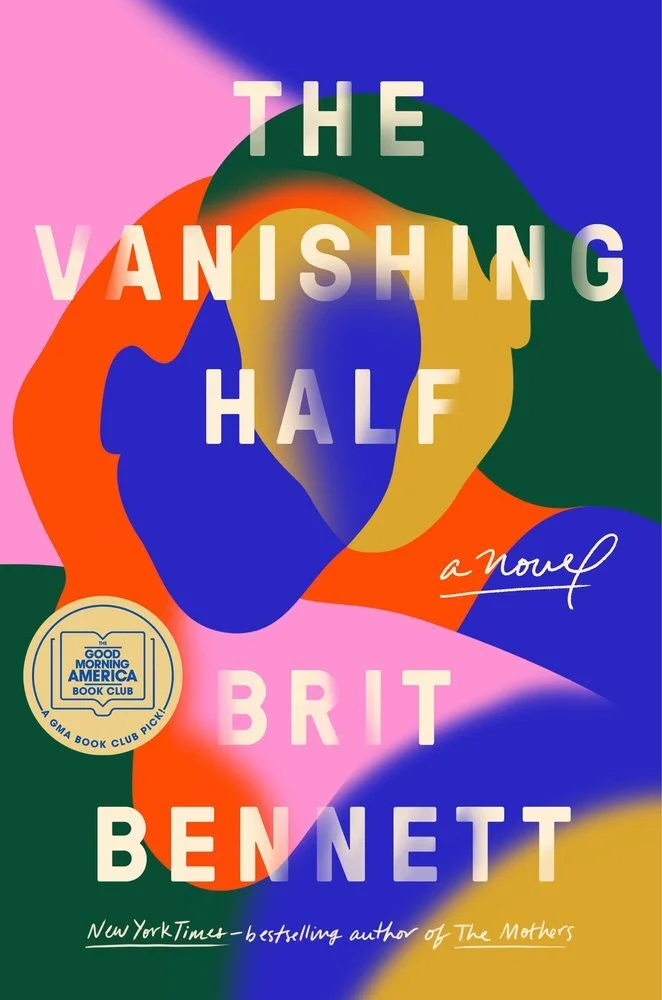
The Vanishing Half
by Brit Bennett
Within the first few pages of The Vanishing Half, I knew I was reading something special. In this slow-burn novel, twins Desiree and Stella grow up in Mallard, a small black community in segregated Louisiana that prides itself on the lightness of its people’s skin. At sixteen, the twins flee from Mallard after their mother pulls them out of school to work cleaning white people’s houses, sacrificing the familiarity of home, the safety of their community, and the predictable trajectory of their lives. In New Orleans, the twins begin their new lives together, but eventually Stella takes off on her own, choosing to live the rest of her life “passing” as white; Desiree marries a dark-skinned man, has a child who looks like him, and ends up living back in Mallard. The consequences of the twins’ life choices unfold throughout the book, from the 1950s to the 1990s, and include the lives (and perspectives) of their daughters, Kennedy and Jude. The Vanishing Half is a fascinating story about family relationships, identity, and belonging, and I savored every page.
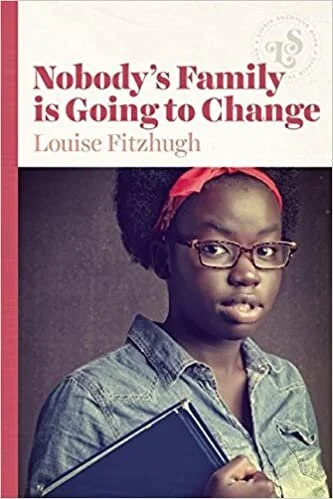
Nobody’s Family Is Going to Change
by Louise Fitzhugh
Originally published in 1974, a decade after Fitzhugh’s beloved Harriet the Spy, Nobody’s Family Is Going to Change is a punchy middle-grade novel about 11-year old Emancipation “Emma” Sheridan, who fantasizes about becoming a lawyer, and her 7-year-old brother Willie*, who dreams of becoming a dancer on Broadway. Emma’s father, a lawyer himself, balks at the idea of women lawyers and effeminate male dancers. This is a bold, empowering story about children’s rights—particularly the way children are at the mercy of their parents’ desires, expectations, and prejudices—and the importance of people advocating for their own wellbeing. While this novel was written for children, even adults will find sophistication in its brutally honest social commentary, especially in regard to gender roles. It’s dark, raw, humorous, and sometimes profane. An excellent book for parents and mature children to read and discuss.
*I do want to acknowledge that while the protagonists of this novel are Black kids, the author, Louise Fitzhugh, is a white woman. We live in this remarkable era of #OwnVoices and #WeNeedDiverseBooks, and there’s a lot of discussion about who should tell what stories. Let’s keep that conversation going.
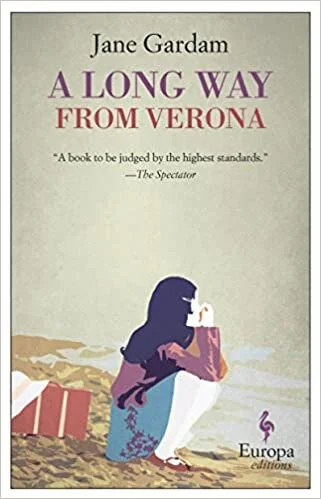
A Long Way from Verona
by Jane Gardam
Jessica Vye is a 13-year-old girl living in the North of England during World War II. Yet she maintains that the “violent” experience that shaped her was being told, at the age of 9, by visiting author Arnold Hanger that she is “a writer beyond all possible doubt!” At 13, Jessica has internalized the sentiment that she is a born writer and also believes herself to be a mind-reader and a compulsive truth-teller. She’s smart, funny, odd, and widely misunderstood by her fellow students and teachers, who worry that she’s getting above herself. In this short, sweet coming-of-age novel, the eccentric young Jessica Vye paints a vivid picture of her school days, family life, and social sphere amidst the bleak realities of wartime: food rations, gas masks, and the threat of air raids. At the end of my reading, I’m inclined to agree with Arnold Hanger. What a wonderful writer!
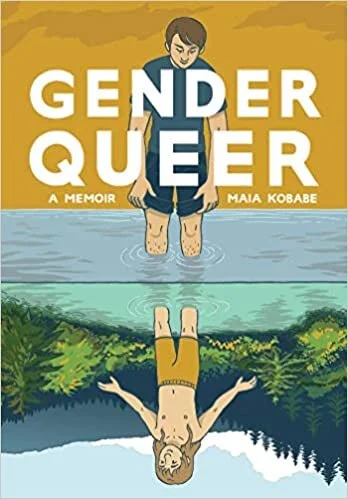
Gender Queer: A Memoir
by Maia Kobabe
This delightfully illustrated graphic memoir is an emotional and straightforward account of self-discovery and acceptance. Kobabe, who uses e/em/eir pronouns, explores coming to terms with eir genderqueer identity and asexuality in a way that is personal, thoughtful, and educational. Kobabe's self-aware recollections range from uncomfortable and painful to awkward and joyful and liberating. The artwork is beautiful, and the discussions—particularly the conversations (and their respective panels) on coming out, dating, and pronouns—are heartfelt and great. This book is a welcome addition to LGBTQIA+ literature!

Watch Over Me
by Nina LaCour
As a long-time admirer of Nina LaCour’s work, I couldn’t wait to get my hands on this one. It caught me at just the right time, with the changing of seasons, the cold settling in. Watch Over Me is the beautiful, strange, and melancholy story of Mila, who has recently graduated high school and aged out of the foster care system. When Mila accepts a teaching job and living accommodations on a remote farm off the Northern California coast, home to traumatized children, adolescents, and ghosts, she must contend with her own troubled past and her desire to belong. LaCour has a talent for precise language, for making the ordinary extraordinary. The result is haunting and emotional, a contemporary gothic reminiscent of Bronte’s Jane Eyre and du Maurier’s Rebecca.
Ongoingness: The End of a Diary
by Sarah Manguso
This short, unconventional memoir is an account of Sarah Manguso’s meticulously kept diary: eight hundred thousand words written over twenty-five years. I am fascinated by people who keep daily records of their lives, though I’m intrigued by the process more than the product. Ongoingness doesn’t include a single excerpt from Manguso’s diary, but rather describes the author’s compulsion to write, “to retain the whole memory” of her life. It is a meditation on memory: remembering, and forgetting, as well as a confession of what it is to be human. Despite the fact that I don’t journal obsessively or even daily, I found this book to be deeply resonant; if I’d have highlighted each passage that captivated me, most of its pages would now be yellow.
The Writer’s Library: The Authors You Love on the Books That Changed Their Lives
by Nancy Pearl and Jeff Schwager
I delighted in this book of twenty-three author interviews conducted by world-famous librarian Nancy Pearl and her co-author Jeff Schwager, the perfect duo for this literary project. I found listening in on these conversations to be a deliciously voyeuristic experience, particularly because I was lucky enough to transcribe all but a few of the interviews for the book; I’m happy to report that reading the physical copy of the book is just as vivid and entertaining as listening to the MP3 files. The Writer’s Library is chock full of book recommendations, laugh-out-loud moments, and nuggets of wisdom as its eclectic cast of authors reflect on their reading histories and habits and enthuse about the books they love most. Grab a copy and prepare for your to-be-read stack to grow!
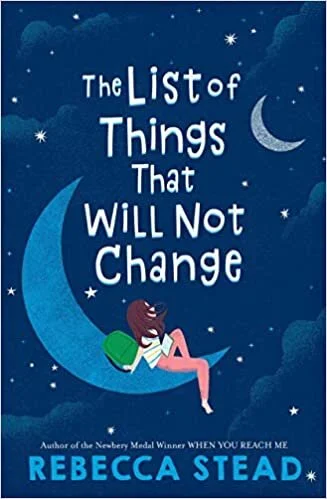
The List of Things That Will Not Change
by Rebecca Stead
The List of Things That Will Not Change refers to a list kept by our anxious young protagonist Bea, whose Mom and Dad divorced when she was 8 years old. The list’s purpose is to remind Bea of all the things that will stay the same, most importantly that her parents will always love her, and each other. Twelve-year-old Bea narrates her story, reflecting on her 10-year-old self and a time when many things in her life were changing very fast: namely, her Dad getting married to his boyfriend, Jesse, and Bea getting acquainted with her sister-to-be, Sonia. There’s so much to love about this wholesome, heartfelt book, from Bea’s charmingly thoughtful voice to Stead’s clear, straightforward prose and expert unpacking of big topics and feelings. This book felt like a hug.

Sitting Pretty: The View from My Ordinary Resilient Disabled Body
by Rebekah Taussig
Too often in our discussions about diversity, we leave disability out of the conversation. In this memoir-in-essays, Rebekah Taussig brings her fresh and incisive voice to the table, sharing her story of what it’s been like growing up and living in her “ordinary resilient disabled” body. With humor and honesty, Sitting Pretty examines ableism in our society, which includes lack of representation, inclusivity, and accessibility, and also reveals the ways well-meaning nondisabled folks disregard and undermine the experiences, desires, and abilities of disabled people. While this book is a lesson in disability studies and intersectionality, it is also a love story with a message of empowerment and body positivity at its center. I highly recommend it to anyone who has a body (and also a heart).